
You have thought about it. Someone mentioned what their cousin is collecting in rent from three self-contains somewhere off Rumuola Road, and something shifted in your head. Because that number, per year, per unit, times three, is not nothing. And you are already paying rent yourself. You have been doing the math in the shower for six months.
The people at BEMD hear this story regularly. Not the shower part. The six months part.
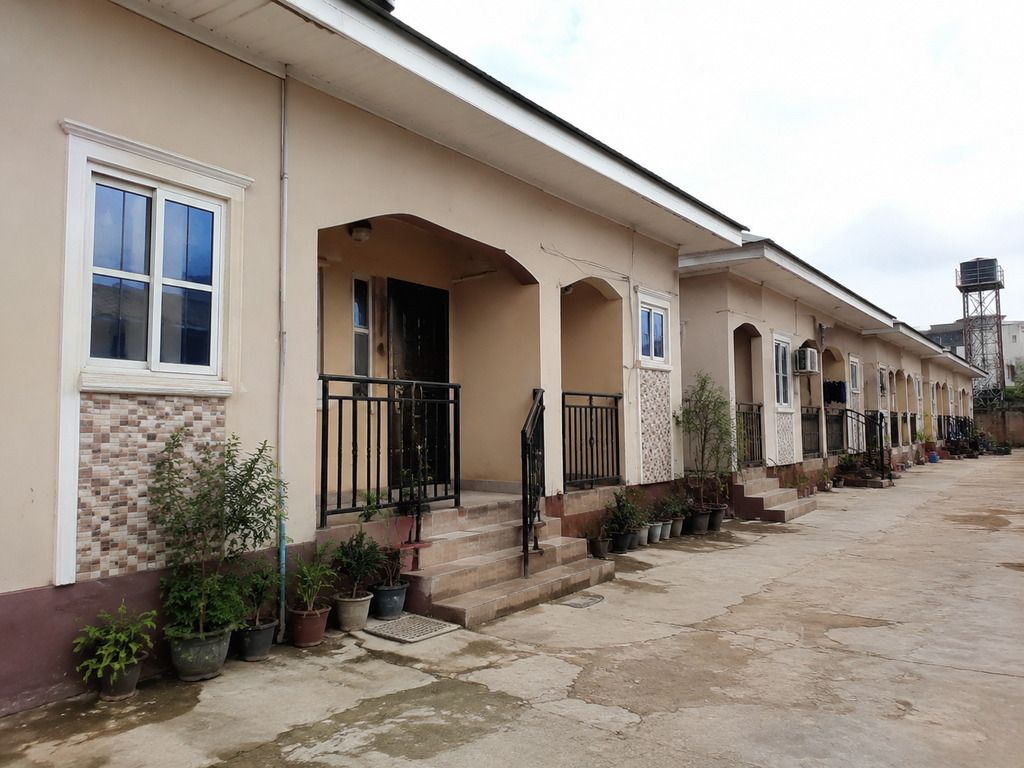
Rental property in Port Harcourt is real money. But before you can collect it, you have to understand what you are actually building, which is not just apartments. You are building a small business with walls. And small businesses require sense, not just capital.
Here is what that sense looks like in practice.
Location Is Not a Detail. It Is the Decision.
Where you build determines who will rent from you, what they will pay, and whether you will have vacancies every other year or a waiting list.
Port Harcourt has a clear rental geography. Areas like Elelenwo, GRA Phase 3, Woji, and Rumuola command better rents because working professionals and people in oil and gas services actually want to live there. A mini flat in Elelenwo can go for anywhere between N750,000 and N1,000,000 per annum right now depending on finishing, while a self-contain in a quieter part of Ozuoba or Rumuola may sit between N350,000 and N550,000.
These are not small differences when you are calculating yield.
The other thing location determines is ease of resale. If you ever decide you no longer want to be a landlord, or if circumstances change, a property in a sought-after corridor is something you can sell or use as collateral. Land in a location that has not yet convinced people to live there is just land until the infrastructure around it catches up.
Do not buy land in a cheap area and expect to charge Elelenwo rents. The market knows. Your tenants will know. You will feel it in the offers you receive.
The Land Has to Be Clean Before You Build Anything On It.
This is where people burn themselves, and it is not always because they were careless. Sometimes they trusted someone they should not have. Sometimes they did not know which questions to ask.
Before money changes hands, you need to know what document is on the land. A Certificate of Occupancy, a deed of assignment from a proven chain of ownership, a registered survey. These are not bureaucratic formalities. They are the difference between owning something and thinking you own something.
Ask for the survey number. Cross-check it with the Rivers State Ministry of Lands. Find out if there are government acquisition notices on or near the land. Ask about family land disputes. If the seller becomes suddenly vague when you ask specific document questions, that vagueness is telling you something.
The safest thing you can do is involve a property lawyer before you pay anything. Not after. Not during. Before. The fee is small compared to what you are about to commit.
Finishing Quality Will Determine Your Tenant Quality.
There is a version of rental property investment where someone buys land, builds quickly on a very tight budget, and then cannot understand why they keep getting tenants who do not pay or keep the place the way it deserves.
The market sorts people by what they can see. A building with decent tiles, functional plumbing, a proper gate, and reasonable electrical work attracts people who can afford to maintain it. A building that looks like it was finished in a hurry, with exposed wiring and a gate that does not close properly, attracts people who are taking whatever is available.
You do not need to over-finish. You need to finish properly. There is a difference. A clean, functional apartment with good ventilation and working toilets will always outperform a flashy apartment where things are constantly breaking.
Budget for finishing before you start. Not as an afterthought.
Rental Income Is Not Passive Until the Systems Are Right.
People hear “passive income” and they imagine money appearing in their account while they go about their lives. That is the long-term version. The short-term version involves collecting rent, handling tenants who pay late, dealing with a burst pipe at the wrong time, and making decisions about repairs.
A few things to prepare for:
Tenants sometimes stop paying. This is not rare. You need to know the legal process for handling it in Rivers State before you are in the middle of it, not after.
Maintenance is recurring, not optional. Set aside a portion of what you collect, somewhere between 10 and 15 percent, for repairs and upkeep each year. Properties that are not maintained lose tenants and lose value.
Security matters. A compound that looks secure and has functional lighting keeps better tenants and keeps them longer.
Managing the property yourself is possible. Hiring a property manager is also possible, usually for around 10 percent of annual rent. If you are not in Port Harcourt consistently, that 10 percent is probably the better math.
The Numbers You Should Actually Run Before You Commit.
Pick a realistic location. Find out what units are currently renting for in that area. Now work backwards.
If three self-contains in Elelenwo rent at 400,000 naira each per year, that is 1.2 million naira annually before maintenance, property manager fees, and occasional vacancies. Over ten years, assuming relatively stable occupancy, that is a significant return on top of the underlying land value, which will also have appreciated.
Now look at what you are currently spending on rent and ask yourself what that same money, consistently invested in land and construction, would have become by the time you turn 40. That is the question. Not “can I afford this?” but “what is not doing this actually costing me?”
You do not need to have all the money now. Many people start by buying the land, letting it sit for a year or two while they save for construction, then building in phases. That is a real and sensible path.
One Last Thing Before You Call Anyone.
Ask whoever is selling you the land to show you other properties they have successfully sold. Talk to people who have bought from them. Check whether the documents they offer are verifiable. A legitimate seller will not find these requests strange. They will expect them.
If something feels rushed, it is being rushed for a reason.
The goal is not just to buy property. The goal is to buy the right property, with the right documents, in the right location, and to go to sleep knowing what you own is actually yours.
When you are ready to have that conversation for real, not the hypothetical shower version but the actual one, reach out.
Call or WhatsApp: 08033359028 / 08027746528
www.bemdproperties.com
info@bemdproperties.com
No. 32 Ebara Road, Orazi, Port Harcourt


